
Canada is talking about building big again. There’s rare political consensus that we need to develop projects like the
Ring of Fire
, expand energy infrastructure, re-invigorate our industrial base and finally move critical projects from the realm of government announcements and press releases into reality.
This is good. The ambition to build on a large scale has been missing from the national bloodstream for a long time. But ambition without capacity is just another kind of fantasy, and Canada is running out of time for fantasies.
Every major project we talk about today has one thing in common, in that they all require far more than construction workers and engineers. They require communities capable of supporting the workers who will make these projects possible. And right now, we are not prepared.
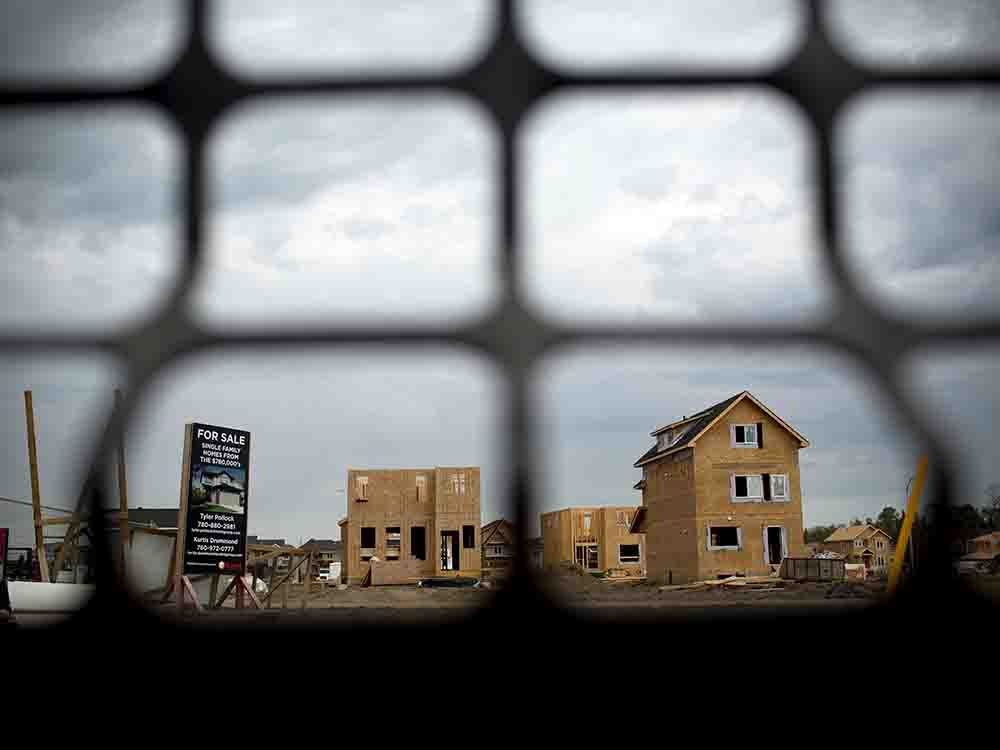
Governments love to announce workforce numbers: 1,200 workers here, 3,000 workers there. But the truth is more challenging. When you bring thousands of workers into a region, you also bring families, stress on local housing capacity and an immediate surge in demand for nurses, paramedics, early-childhood educators, teachers, transit and basic infrastructure.
You can’t build a mine, a highway, or a battery plant without also building the ecosystem that lets people live relatively ordinary, everyday lives around extraordinary projects.
Ontario’s recent labour mobility reforms, allowing certified workers from across Canada to begin working in the province more quickly, are an important step in removing red tape from the system. These changes will cut waiting periods and help get skilled workers on the ground faster. But they’re a solution to only half the problem.
The other half — the harder one — is everything else: housing supply, community i
nfrastructure
and the social systems that prevent what could be a boomtown from turning into a burnout.
I lived through the last Canadian boom what it came to national projects. When I worked on projects for the
oilsands
, Fort McMurray was transforming by the week. What had once been a remote northern town became a real city with expanding neighbourhoods, schools being built, a growing hospital, highways being widened and recreation centres going up. It was suddenly younger, sprawling and under constant strain.
Fort McMurray did get the services it needed. But that didn’t happen automatically, and it certainly didn’t happen overnight. It required years of pressure, constant catch-up from all levels of government to support the rapid growth and an enormous civic effort from people who were building a life there, not just earning a paycheque.
The point is this — even when governments are trying their best, when the money is flowing, workers are arriving, and everyone understands the stakes, the community-building side of these projects is always the hardest part. It always lags behind the job site. And the strain on the people who live there can be profound.
These are the lessons Canada needs to remember now.
If we want to build up major projects in rural or northern regions of Canada, we need a plan not just for miners and engineers, but for nurses, housing starts, childcare capacity, broadband and local emergency rooms. If we want to build and electrify the nation, we need livable communities that will host and maintain the power plants, substations, transmission lines and workers.
Canada is rediscovering something our grandparents understood instinctively. Big countries do big things.
But there’s a second part to that wisdom, the part we’ve forgotten. Big things endure only when you build the human infrastructure around them. When you make a place where a welder can raise a family. Where a nurse sees a future. Where a community doesn’t collapse under the weight of its own growth.
That’s the lesson from communities like
Fort McMurray
. It’s wisdom for aspirational projects such as the Ring of Fire. And it’s the opportunity in front of us now.
If Canada truly wants to build at scale, with purpose, and with staying power, we need to build out the communities that will make the projects possible.
Because nation-building is never just about the work, it’s about the people who make a nation worth building.
Todd Clyde is CEO and founding partner of Blue Branch
,
#lesson #Canada #can039t #forget #sets #big

0 Comments